
Kenya’s cultural landscape is as varied as its wildlife. Maasai communities and the conservancy system around the Masai Mara, Samburu pastoral traditions in northern Kenya, the centuries-old Swahili culture of Lamu and Mombasa, and Nairobi’s museums and historic sites reveal a country shaped by very different landscapes, livelihoods and histories. Adding cultural experiences to a wildlife safari gives travellers a deeper understanding of the people and places encountered along the journey. This guide compares Kenya’s most significant cultural experiences, explains how they fit naturally into a safari itinerary, and shows how to experience them respectfully rather than treating culture as an afterthought

Why Add Cultural Experiences to a Kenya Safari?
Wildlife may be the main reason many travellers come to Kenya, but cultural experiences explain much of the human story behind the landscapes. Around the Masai Mara, for example, community land ownership and conservancy partnerships influence how land is used for livestock, settlement and wildlife conservation. Understanding that relationship adds context to game drives because the safari landscape is also a lived-in and economically important environment. The experience changes again in northern Kenya and on the coast. Samburu communities have developed pastoral traditions suited to a drier environment, while Lamu and Mombasa reflect centuries of Indian Ocean trade and Swahili culture. Including culture therefore adds variety to a Kenya safari and helps travellers understand that the country’s wildlife areas, towns and coast are connected to distinct communities and histories.
What Are Kenya’s Main Cultures and Cultural Regions?
Kenya’s cultural geography changes considerably from south to north and from the interior to the Indian Ocean coast. Maasai communities are strongly associated with southern Kenya and the Greater Mara ecosystem, where pastoralism and community-owned land remain closely connected to the modern conservancy model. In northern Kenya, Samburu communities share some linguistic and cultural connections with the Maasai but have distinct traditions shaped by the more arid landscape around Samburu and neighbouring areas. Along the coast, Lamu and Mombasa represent a different cultural world shaped by Swahili traditions and centuries of interaction across the Indian Ocean. Nairobi adds another layer through national museums, historic homes, markets and contemporary urban culture. Understanding these regional differences before choosing activities helps travellers select experiences that complement the route rather than adding disconnected cultural stops.
Best Cultural Experiences in Kenya at a Glance
Kenya’s strongest cultural experiences range from community-based visits in major safari regions to living Swahili towns and historical sites on the coast. Each adds something different to an itinerary, so the most useful choice depends on both the traveller’s interests and the route already being followed. The table below compares the main experiences, their cultural focus and the safari or coastal journey they fit most naturally.
Best Cultural Experiences to Include on a Kenya Safari
The best cultural experience is usually one that fits naturally into the journey rather than requiring an unrelated detour. Kenya makes this relatively easy: Maasai and Samburu experiences can be combined with wildlife areas, Nairobi’s cultural sites fit around international flights, and Lamu or Mombasa can add historical depth to a beach extension.
Maasai Cultural Experiences in the Masai Mara
A well-organised Maasai community visit in the Masai Mara area can introduce travellers to pastoral life while explaining the relationship between community land, livestock and wildlife conservation. This is particularly relevant around private conservancies, where local landowners may lease land for conservation and tourism while maintaining an economic connection to the wider landscape. Quality matters. Visits arranged through lodges, conservancies or operators with established community partnerships are generally more worthwhile than informal roadside stops because the programme, host relationship and community benefit are clearer. Rather than treating the visit as a performance between game drives, travellers should allow enough time to ask questions and understand how cultural traditions and modern conservation pressures interact.
Samburu Cultural Experiences in Northern Kenya
Samburu cultural experiences offer a different perspective from the Maasai-focused south. Samburu communities have pastoral traditions adapted to northern Kenya’s drier environment, where livestock, seasonal water and movement across an arid landscape have long influenced daily life. Cultural visits can help travellers understand how people live alongside the same challenging environment explored during wildlife drives. The experience fits most naturally into a stay around Samburu National Reserve rather than being planned as a separate cultural excursion. Choosing an organised community programme with a clear local partnership gives the visit more context and helps distinguish a meaningful exchange from a brief staged stop.

Lamu Old Town and Swahili Culture
Lamu Old Town offers one of Kenya’s strongest opportunities to experience living Swahili culture within a historic coastal settlement. Its narrow streets, traditional architecture and long relationship with Indian Ocean trade create a setting that feels completely different from the country’s inland safari regions. The town’s UNESCO World Heritage status reflects its cultural and architectural importance. Lamu is best experienced as part of a dedicated coastal extension rather than a rushed sightseeing stop. Staying for several nights allows time to walk through the Old Town, understand its built heritage and experience the rhythms of a community where traditional forms of transport and long-established coastal customs remain visible.
Mombasa Old Town and Fort Jesus
Mombasa Old Town and Fort Jesus reveal the layered history of Kenya’s principal coastal city. The area reflects centuries of Swahili life and Indian Ocean trade alongside Portuguese, Arab and later British influence. Fort Jesus provides a strong historical anchor, while walking through the surrounding Old Town brings the story into streets lined with historic buildings, carved doors, shops and residential areas. This cultural experience works especially well for travellers already staying in Mombasa or continuing to Diani Beach. Allowing a dedicated half day or longer gives the historical sites enough time to feel like part of the coastal journey rather than a hurried stop between the airport and beach.

Best Cultural Attractions in Nairobi
Nairobi provides useful cultural experiences for travellers who have time before or after safari. The Nairobi National Museum introduces aspects of Kenya’s history, archaeology, natural heritage and cultural diversity, while the Karen Blixen Museum offers a more specific connection to the colonial-era history associated with the author of Out of Africa. Markets and craft centres can add a more contemporary dimension. Because most international Kenya itineraries already pass through Nairobi, these visits can often be added without changing the wider safari route. Arrival and departure days are particularly useful, provided flight times allow enough time for a relaxed visit rather than squeezing several attractions into a short stop.
Best Time to Experience Culture in Kenya
Kenya’s cultural experiences are generally available throughout the year, so itinerary position often matters more than wildlife seasonality. Community visits work best when they can be fitted around safari activities without rushing either experience, while coastal heritage and Nairobi attractions deserve dedicated time. The table below shows where the main cultural experiences fit most naturally within a Kenya journey.
How Much Do Cultural Experiences in Kenya Cost?
Cultural experiences can be added at very different budget levels. A community visit or museum entry may require only a modest additional payment, while a dedicated Lamu extension changes the itinerary more substantially because accommodation and transport become part of the cost. The most useful comparison is therefore not simply the entrance fee, but the total travel required to include each experience.
Low-Cost Cultural Experiences — Community Visits
Maasai and Samburu community visits generally involve a community or programme fee, sometimes arranged through the traveller’s lodge or safari operator. The total cost depends on how the visit is organised and whether transport, guiding or additional activities are included. Travellers should also consider where the money goes. An established programme with a clear community partnership can support local guides, cultural initiatives and other community priorities, making the structure of the experience as important as the headline fee.
Historical Sites and Museums — Entry and Guide Fees
Nairobi museums, Fort Jesus and other historical attractions generally involve entry fees, while guided walks or specialist interpretation may add to the total. These costs are usually easier to absorb into an existing itinerary because the sites can often be visited from accommodation already included in the trip. Current admission policies should be checked before travel, particularly where resident and non-resident rates, guide charges or opening arrangements differ. Paying for knowledgeable interpretation can be worthwhile at historically complex sites because it turns a brief visit into a more coherent understanding of the place.

Multi-Day Cultural Extensions — Accommodation and Transport
A dedicated Lamu stay is a larger budget decision because the cultural experience requires more than an entrance ticket. Travellers need to account for transport to the coast or island, additional accommodation nights, local transfers, guiding and any activities included during the stay. The extra cost can still represent good value when the extension adds a genuinely different dimension to the safari. Rather than rushing from wildlife areas directly to a beach resort, several nights in Lamu can introduce Swahili heritage and living coastal culture while also slowing the pace of the overall journey.
Where to Stay for Cultural Experiences in Kenya
Accommodation should support the cultural experience rather than force unnecessary travel. In safari areas, the most practical choice is usually a lodge or camp that can arrange an established community visit nearby. On the coast, staying within or close to a historic area gives travellers more time to experience the destination beyond a short excursion. Nairobi accommodation should be chosen with both airport logistics and the cultural sites planned for arrival or departure days in mind.

Mara Serena Safari Lodge
Destination
Masai MaraBest For
Combining a Masai Mara safari with organised Maasai cultural experiences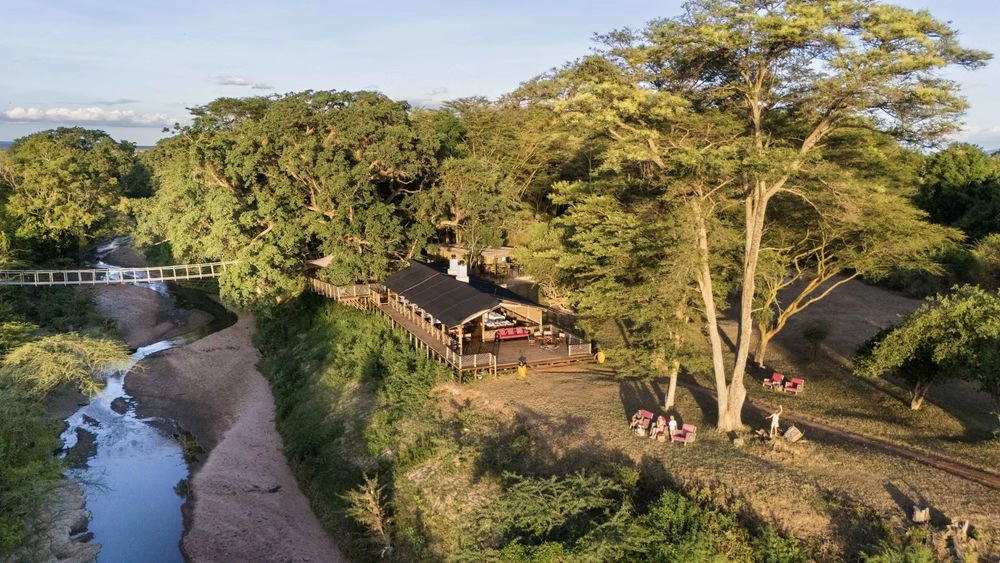
Basecamp Masai Mara
Destination
Masai MaraBest For
Community and conservation-focused experiences alongside a Mara safari
Samburu Intrepids Luxury Tented Camp
Destination
SamburuBest For
Combining Samburu cultural experiences with northern Kenya wildlife viewing
Peponi Hotel
Destination
LamuBest For
A multi-night Lamu stay combining Swahili heritage with the Kenya coast
Sarova Whitesands Beach Resort & Spa
Destination
MombasaBest For
Combining a coastal stay with Mombasa Old Town and Fort Jesus


